മഹാദേവൻMahadeva
കിഴക്കോട്ട് ദർശനമായ സ്വയംഭൂ ശിവലിംഗംSelf-manifested lingam facing east
ॐ
ചെങ്ങന്നൂർ · ആലപ്പുഴ ജില്ല · കേരളംChengannur · Alappuzha District · Kerala
ഓം നമഃ ശിവായ
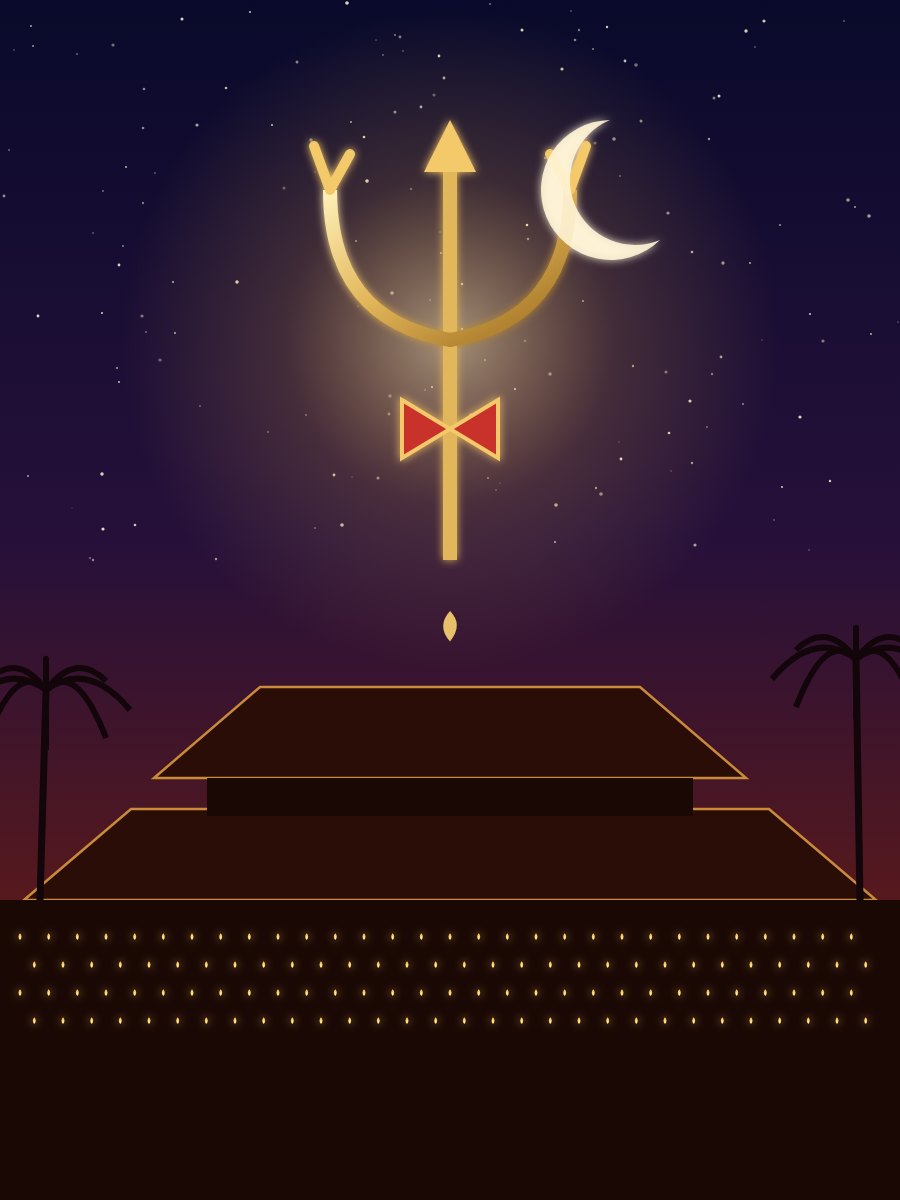
ചെങ്ങന്നൂർ പട്ടണത്തിന്റെ ഹൃദയഭാഗത്ത്, പമ്പാനദിക്കരികെ, ഒരേ വട്ടശ്രീകോവിലിൽ ശിവനും പാർവ്വതിയും കുടികൊള്ളുന്നു. സ്വയംഭൂവായ ശിവലിംഗരൂപത്തിൽ മഹാദേവൻ കിഴക്കോട്ടും, പിന്നിൽ പഞ്ചലോഹവിഗ്രഹത്തിൽ ദേവി പടിഞ്ഞാറോട്ടും ദർശനമരുളുന്നു. ഭഗവാനോളം തന്നെ പ്രാധാന്യം ഇവിടെ ദേവിക്കുമുണ്ട്; ദേവിയെ കാണാൻ മാത്രമായി എത്തുന്ന ഭക്തരും ഏറെയാണ്.
മറ്റെങ്ങും അപൂർവ്വമായ ഒരു ആചാരമാണ് ക്ഷേത്രത്തെ പ്രസിദ്ധമാക്കുന്നത് – ദേവി രജസ്വലയാകുന്നുവെന്ന് ഭക്തർ വിശ്വസിക്കുന്ന തൃപ്പൂത്ത്. അപ്പോൾ മൂന്ന് ദിവസം ദേവിയുടെ നട അടച്ചിടുകയും, പമ്പയിലെ ആറാട്ടിനുശേഷം നട തുറക്കുകയും ചെയ്യുന്നു. ശബരിമല തീർത്ഥാടകരുടെ പ്രധാന ഇടത്താവളം കൂടിയാണ് ചെങ്ങന്നൂർ; ധനു–മകര മാസങ്ങളിലെ ഇരുപത്തിയെട്ട് ദിവസത്തെ ഉത്സവം കേരളത്തിലെ ഏറ്റവും ദൈർഘ്യമേറിയ ഉത്സവങ്ങളിലൊന്നാണ്.
In the heart of Chengannur town, close to the Pamba river, Shiva and Parvathy share a single round sreekovil. Mahadeva, a self-manifested lingam, faces east; behind him, facing west, stands the Devi in a panchaloha idol. Here the Goddess is honoured as fully as the Lord, and many pilgrims come above all for her.
The temple is best known for a custom found almost nowhere else: Thripputhu, when devotees believe the Devi goes through her monthly cycle. Her shrine then stays closed for three days and reopens after an arattu in the Pamba. Chengannur is also a familiar halt for Sabarimala pilgrims, and the temple's 28-day festival in Dhanu–Makaram is one of the longest in Kerala.
ഹിമാലയത്തിൽ നടന്ന ശിവപാർവ്വതീ വിവാഹത്തോടെയാണ് ഐതിഹ്യം തുടങ്ങുന്നത്. ദേവന്മാരെല്ലാം അവിടെ ഒത്തുകൂടിയപ്പോൾ ഭൂമിയുടെ സന്തുലനം തെറ്റുമെന്ന് ഭയന്ന്, അതു നിലനിർത്താൻ അഗസ്ത്യമുനിയെ തെക്കോട്ടയച്ചു. പമ്പാതീരത്തെ ശോണാദ്രി എന്ന ചുവന്ന കുന്നിൽ അദ്ദേഹം തപസ്സിരുന്നു; അതിനാൽ വിവാഹം കാണാനായില്ല. മുനിയെ സന്തോഷിപ്പിക്കാൻ ശിവനും പാർവ്വതിയും പിന്നീട് ഇവിടെയെത്തി. ആ സന്ദർശനത്തിനിടെ ദേവി ആദ്യമായി രജസ്വലയായെന്നും, അതു കഴിയുംവരെ ഇവിടെ താമസിച്ചുവെന്നുമാണ് കഥ. ‘ചെങ്കുന്ന്’ എന്ന പേര് കാലക്രമേണ ചെങ്ങന്നൂരായി എന്നും പറയപ്പെടുന്നു.
മറ്റൊരു നാട്ടുകഥയനുസരിച്ച്, ഒരു കല്ലിൽ അരിവാൾ രാകിക്കൊണ്ടിരുന്ന ഒരു തൊഴിലാളി അതിൽ നിന്ന് രക്തം ഒഴുകുന്നത് കണ്ടു; അത് സ്വയംഭൂ ശിവലിംഗമാണെന്ന് പൂജാരിമാർ തിരിച്ചറിഞ്ഞു. പിന്നീട് അരികിൽ ദേവിയെയും പ്രതിഷ്ഠിച്ചു. ബ്രിട്ടീഷ് റസിഡന്റായിരുന്ന കേണൽ മൺറോ തൃപ്പൂത്ത് ആചാരത്തെ പരിഹസിച്ച് അതിനുള്ള ധനസഹായം നിർത്തിയെന്നും, സ്വന്തം കുടുംബത്തിലുണ്ടായ ദുരനുഭവത്തിനുശേഷം മനംമാറി ക്ഷേത്രത്തിന് സംഭാവന നൽകിയെന്നും ഭക്തർ പറയുന്നു.
ഐതിഹ്യത്തിനപ്പുറം, കേരളത്തിലെ പഴയ ബ്രാഹ്മണഗ്രാമങ്ങളിലൊന്നായിരുന്നു ചെങ്ങന്നൂർ. വഞ്ഞിപ്പുഴ നാടുവാഴികളും പെരുന്തച്ചനും ചേർന്നാണ് ക്ഷേത്രം നിർമ്മിച്ചതെന്നാണ് പാരമ്പര്യം. പിൽക്കാലത്തുണ്ടായ തീപിടുത്തത്തിൽ ക്ഷേത്രത്തിന്റെ വലിയൊരു ഭാഗം നശിച്ചു; ശ്രീകോവിൽ അതിജീവിച്ചു. തിരുവിതാംകൂർ രാജാക്കന്മാരുടെ കാലത്ത് ക്ഷേത്രം പുനർനിർമ്മിച്ചെങ്കിലും പഴയ കൂത്തമ്പലം പിന്നീട് പണിതില്ല. താഴമൺ കുടുംബത്തിനാണ് താന്ത്രികാവകാശം; ഭരണം തിരുവിതാംകൂർ ദേവസ്വം ബോർഡിനാണ്.
The legend begins with the wedding of Shiva and Parvathy in the Himalayas. So many gods gathered there that the earth was said to tilt, and the sage Agastya was sent south to balance it. He settled on a hill by the Pamba called Shonadri – the red hill – and so missed the wedding. To console him, Shiva and Parvathy later came to him here. The story goes that the Devi had her first period during this visit and stayed until it was over, and that the place came to be known as Chenkunnu, the red hill, which became Chengannur.
Another local story tells of a worker who was sharpening his sickle on a stone and saw blood flow from it; the priests recognised a self-manifested lingam, and the Devi was later installed beside it. Devotees also tell of Colonel Munro, the British Resident, who is said to have scoffed at the Thripputhu custom and stopped its funding, then changed his mind after trouble in his own family and made an endowment to the temple.
Beyond legend, Chengannur was one of the old Brahmin settlements of Kerala, and tradition links the temple's building to the Vanjipuzha chiefs and the master craftsman Perunthachan. A fire later destroyed much of the complex; the sanctum survived and the temple was rebuilt under the Travancore kings, though the old koothambalam was never restored. The tantric rites belong to the Thazhamon family, and the temple is administered by the Travancore Devaswom Board.
കിഴക്കോട്ട് ദർശനമായ സ്വയംഭൂ ശിവലിംഗംSelf-manifested lingam facing east
ശിവലിംഗത്തിന് പിന്നിൽ പടിഞ്ഞാറോട്ട് ദർശനമായ പഞ്ചലോഹ വിഗ്രഹംPanchaloha idol behind the lingam, facing west
ഉപദേവതSub-shrine
ഉപദേവതSub-shrine
ക്ഷേത്രവളപ്പിലെ കൃഷ്ണസന്നിധി; അഷ്ടമിരോഹിണി പ്രധാനംKrishna shrine in the complex; Ashtami Rohini is its festival
ആയില്യം നാളുകളിൽ പൂജയുള്ള നാഗപ്രതിഷ്ഠSerpent deities, worshipped on Ayilyam days
പുരുഷന്മാർ: മുണ്ട്; നാലമ്പലത്തിൽ പ്രവേശിക്കും മുമ്പ് ഷർട്ടും ബനിയനും അഴിച്ചുവെക്കണം. സ്ത്രീകൾ: സാരി, സെറ്റ്-മുണ്ട്, ബ്ലൗസിനൊപ്പം നീളൻ പാവാട, അല്ലെങ്കിൽ ചുരിദാർ. ക്ഷേത്രത്തിലെ നിലവിലുള്ള അറിയിപ്പുകൾ പാലിക്കുക.
ക്ഷേത്രാചാരപ്രകാരം നാലമ്പലത്തിനുള്ളിൽ ഹിന്ദുക്കൾക്കാണ് പ്രവേശനം. തൃപ്പൂത്ത് സമയത്ത് ദേവിയുടെ പടിഞ്ഞാറേ നട മൂന്ന് ദിവസം അടഞ്ഞുകിടക്കും; മഹാദേവന്റെ ദർശനം തുടരും. ഈ ദിവസങ്ങൾ മുൻകൂട്ടി നിശ്ചയിക്കാനാവാത്തതിനാൽ, ദേവീദർശനത്തിനായി വരുന്നവർ മുൻകൂട്ടി അന്വേഷിക്കുക. ക്ഷേത്രത്തിലെ നിലവിലുള്ള അറിയിപ്പുകൾ പാലിക്കുക.
പുലർകാലം ശാന്തമാണ്. ധനു–മകരത്തിലെ ഇരുപത്തിയെട്ട് ദിവസത്തെ ഉത്സവം, ശിവരാത്രി, തൃപ്പൂത്താറാട്ട് ദിവസങ്ങൾ എന്നിവ വലിയ തിരക്കുള്ളവയാണ്; ശബരിമല തീർത്ഥാടന കാലത്തും (നവംബർ–ജനുവരി) വഴിയിൽ ഇവിടെയെത്തുന്ന അയ്യപ്പഭക്തരുടെ തിരക്കുണ്ടാകും. ഒക്ടോബർ മുതൽ മാർച്ച് വരെയാണ് സുഖകരമായ കാലാവസ്ഥ.
തൃച്ചിറ്റാറ്റ് മഹാവിഷ്ണു ക്ഷേത്രം – ചെങ്ങന്നൂർ പട്ടണത്തിലെ ദിവ്യദേശം
ആറന്മുള പാർത്ഥസാരഥി ക്ഷേത്രം – ഏകദേശം 10 കി.മീ കിഴക്ക്, പമ്പാതീരത്ത്
തിരുവൻവണ്ടൂർ, തിരുപ്പുലിയൂർ – സമീപത്തുള്ള മറ്റ് രണ്ട് പാണ്ഡവ വിഷ്ണുക്ഷേത്രങ്ങൾ
മിത്രപ്പുഴക്കടവ് – ദേവിയുടെ ആറാട്ട് നടക്കുന്ന പമ്പയിലെ കടവ്
Men: mundu (dhoti); remove shirts and vests before entering the nalambalam. Women: saree, set-mundu, long skirt with blouse, or churidar. Follow the temple's current notices.
By the temple's tradition, entry to the nalambalam is for Hindus. During Thripputhu the Devi's (western) nada stays closed for three days; darshan of Mahadeva continues. Because these days are not fixed in advance, check locally before planning a visit for the Devi. Follow the temple's current notices.
Early mornings are peaceful. The 28-day festival in Dhanu–Makaram, Sivarathri and the days of the Thripputhu arattu are very busy, as is the Sabarimala season (Nov–Jan), when pilgrims stop here on the way. October to March has the most pleasant weather.
Thrichittatt Maha Vishnu Temple – a Divya Desam within Chengannur town
Aranmula Parthasarathy Temple – about 10 km east, on the Pamba
Thiruvanvandoor and Thiruppuliyur – two more of the Pandava Vishnu temples close by
Mithrappuzha kadavu – the bathing ghat on the Pamba where the Devi's arattu takes place
ചെങ്ങന്നൂർ മഹാദേവ ക്ഷേത്രം, ചെങ്ങന്നൂർ, ആലപ്പുഴ ജില്ല, കേരളം
Chengannur Mahadeva Temple, Chengannur, Alappuzha district, Kerala